
If you are tired of boring, cracked, or uneven ceilings, a stretch ceiling can completely change how your space looks and feels. This modern ceiling system uses a flexible PVC film, stretched on a track around the room, to create a perfectly smooth, stylish surface in almost any shape, color, or finish you can imagine.
Yet, many homeowners and even some designers still hesitate because of common myths: “PVC is toxic,” “stretch ceilings get damaged easily,” “they sag with time,” and “the color fades.” These misconceptions can hold you back from using one of the most practical and creative ceiling solutions available today.
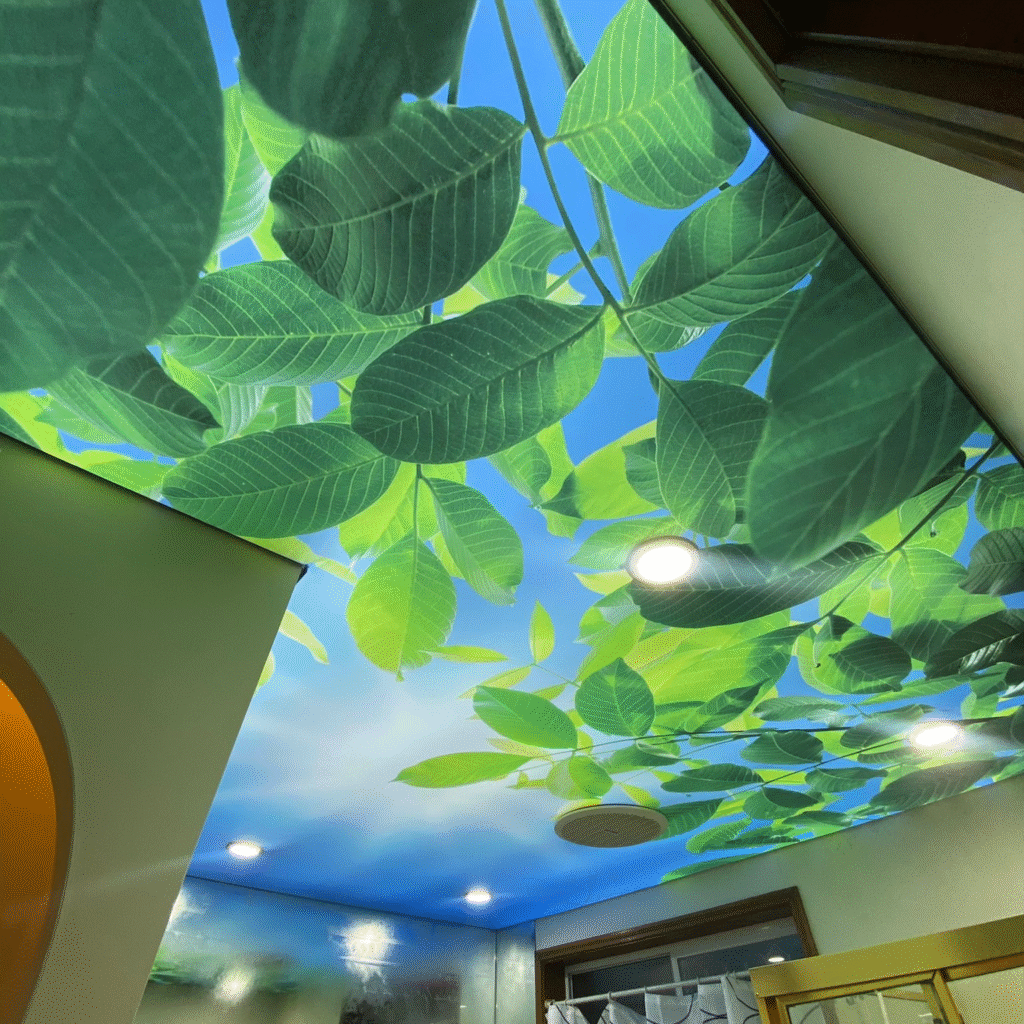
In this guide, we will break down the most popular stretch ceiling myths and explain the real facts behind:
- PVC safety and certifications
- Durability and resistance to damage
- Long-term performance and sagging
- Color fading and UV resistance
- Easy cleaning and low maintenance
By the end, you will know exactly whether a stretch ceiling is the right choice for your home, office, or commercial space.
Myth 1: PVC in Stretch Ceilings Is Poisonous
One of the biggest worries people have is: “Is PVC in a stretch ceiling toxic?” This comes from confusion between low‑quality plastics and modern, certified PVC films used in interiors.
The Truth About PVC Safety
High-quality stretch ceiling films used by reputable brands must meet strict international standards, such as:
- CE marking for safety in European markets
- ISO 14001 for environmental management systems
- REACH compliance for safe chemical use in the EU
- VOC testing to ensure low emissions indoors
Independent research by organizations like BRE and ASTM has shown that top-grade PVC stretch ceiling materials have very low VOC emissions, far below international safety limits for indoor spaces.
If PVC were truly dangerous in this form, it would not be used in:
- Medical devices
- Food packaging
- Children’s toys
- Drinking water and sewer pipes
These are highly regulated applications, which tells you a lot about the material’s safety when produced and used correctly.
How Responsible Manufacturers Work
Professional stretch ceiling manufacturers follow controlled, traceable processes:
- Thermostatically controlled production environments
- Regular material testing for consistency
- Third-party safety audits
- Batch tracking for full traceability
Modern PVC films are engineered to be stable, not to break down or release dangerous chemicals at normal indoor temperatures. Life cycle assessments of PVC pipes and films also show that they are not only safe but can be a sustainable choice when installed and used correctly.
If you choose a certified brand and professional installer, a PVC stretch ceiling is safe for:
- Homes and apartments
- Healthcare and clinics
- Schools and childcare facilities
- Kitchens, restaurants, and food prep areas
Myth 2: Stretch Ceilings Are Easily Damaged
Another common concern is that a stretch ceiling will tear or puncture with the slightest impact, especially in children’s rooms or busy spaces.
How Strong Is a Stretch Ceiling?
A properly installed stretch ceiling is surprisingly tough. The film is flexible, so instead of cracking like plaster or breaking like gypsum, it can absorb everyday impacts such as:
- Soft toys or balls hitting the surface
- Minor bumps from lightweight furniture
- Vibrations from speakers or nearby construction
In controlled tests, quality stretch ceilings have been shown to withstand up to 100 kg/m2100kg/m2 of water load without losing shape. This is one reason they are used to protect rooms from leaks from upper floors in apartments.
Stretch Ceilings vs Traditional Ceilings
Compared to regular drywall or POP ceilings, a stretch ceiling often performs better in daily use:
- Traditional drywall: Prone to water stains, cracks, and frequent repainting.
- Stretch ceiling: Water-resistant, crack-free, and does not need repainting.
Because the film is tensioned and flexible, it can adapt slightly to building movement without developing visible cracks.
What If Damage Does Happen?
Accidents can happen in any home, but a stretch ceiling is still not a disaster:
- Small cuts or holes can often be repaired so they are barely noticeable.
- Larger damage typically requires replacing just the affected panel, not the entire ceiling.
This makes maintenance easier and often cheaper than repairing and repainting traditional ceilings after serious damage.
For this reason, stretch ceilings are commonly used in:
- Hotels and lobbies
- Schools and universities
- Sports halls and gyms
- Showrooms and retail spaces
— all places with high foot traffic and frequent activity.
Myth 3: Stretch Ceilings Will Sag Over Time
Many people imagine a stretch ceiling as something like cloth or rubber that will slowly droop. In reality, sagging is almost always a sign of poor installation or low-quality material, not an unavoidable outcome.
Why Quality Stretch Ceilings Stay Taut
Premium stretch ceiling films are designed to hold their shape across a wide temperature range, usually from around −25∘C−25∘C to 70∘C70∘C. Within normal indoor conditions, they remain tight and stable for many years.
The key is:
- The right type and thickness of PVC film
- Correctly designed and installed track systems
- Professional tensioning and heating during installation
Importance of Professional Installation
A stretch ceiling is not a DIY gypsum board. Poor measurements, wrong tension, or cheap tracks can all lead to sagging. Professional installers:
- Take accurate measurements and calculate required tension
- Use heat to bring the PVC to optimal flexibility
- Tension the film uniformly across the room
- Fix the film securely into high-quality perimeter tracks
- Perform checks after installation to ensure perfect tightness
If those steps are followed, sagging is very unlikely.
Typical Causes of Sagging
When sagging does appear, it usually comes from:
- Substandard PVC film
- Weak or low-quality track systems
- Incorrect installation technique
- Extreme and prolonged exposure to high temperatures
Trusted manufacturers back their stretch ceilings with warranties of 10–15 years against defects, including sagging. These guarantees show the level of confidence in the product’s long-term performance.
Myth 4: Stretch Ceiling Colors Fade Quickly
People often compare stretch ceilings to paint or wallpaper and assume the color will fade in a few years, especially in sunny rooms.
How UV Stabilizers Protect the Color
Modern stretch ceiling films contain advanced UV stabilizers within the material. These additives:
- Absorb harmful UV radiation before it reaches the color pigments
- Convert UV energy into harmless heat
- Prevent chemical breakdown of the film and pigments
- Maintain the film’s optical and mechanical stability
Laboratory tests show that good-quality stretch ceilings can retain up to 98% of their original color intensity even after 10 years of typical use.
Better Color Retention Than Traditional Finishes
Compared with standard finishes:
- Regular paint: Often needs repainting every 3–5 years.
- Wallpaper: Can fade visibly within 2–3 years, especially near windows.
- Stretch ceiling: Stays bright and even in shade for 15+ years with minimal change.
This makes a stretch ceiling ideal for:
- Living rooms with large windows
- Sunrooms and skylight areas
- Showrooms and galleries with strong lighting
Tested for Long-Term Performance
Reputable manufacturers test their films using accelerated aging, simulating decades of sun and light exposure. Properly installed stretch ceilings:
- Do not form patches or streaks
- Do not show uneven fading
- Resist discoloration from indoor pollutants and light smoke
The result is a ceiling that looks freshly installed long after regular painted ceilings have started to dull or stain.
Myth 5: Stretch Ceilings Are Hard to Maintain
A lot of people imagine that a stretch ceiling needs special cleaners or regular professional servicing. In reality, it is one of the easiest ceiling options to look after.
Simple Day-to-Day Cleaning
Because the surface of a stretch ceiling is non-porous and smooth, dust and dirt do not cling easily. For most homes, maintenance is as simple as:
- Light dusting with a microfiber cloth
- Using a vacuum with a soft brush attachment for quick cleaning
- Wiping with a mild soap solution for occasional deep cleaning
This makes stretch ceilings a great option for:
- Kitchens and dining rooms
- Bathrooms and spa areas
- Bedrooms and living rooms in dusty environments
They also do not support mold growth the way porous surfaces can, which is a big plus in humid areas.
Basic Cleaning Steps
To keep your stretch ceiling looking perfect:
- Dust gently with a soft, clean cloth or vacuum brush.
- Wipe spills or marks as soon as you notice them with a damp microfiber cloth.
- For tougher stains, use a mild soap mixed with warm water.
- Wipe lightly, without pressing hard on the film.
- Dry the area with a clean, soft cloth.
What to Avoid
To protect your stretch ceiling:
- Do not use abrasive sponges or scrubbers.
- Avoid harsh chemicals, bleach, or strong solvents.
- Always test any new cleaner on a small, hidden area first.
You do not need to repaint, replaster, or sand a stretch ceiling. Over time, this low maintenance can save you significant money and effort compared with traditional ceilings that regularly need repair and painting.
The Real Advantages of Stretch Ceilings
Once you look past the myths, a stretch ceiling offers a powerful mix of design flexibility and practicality:
- Clean, perfectly smooth finish with no cracks
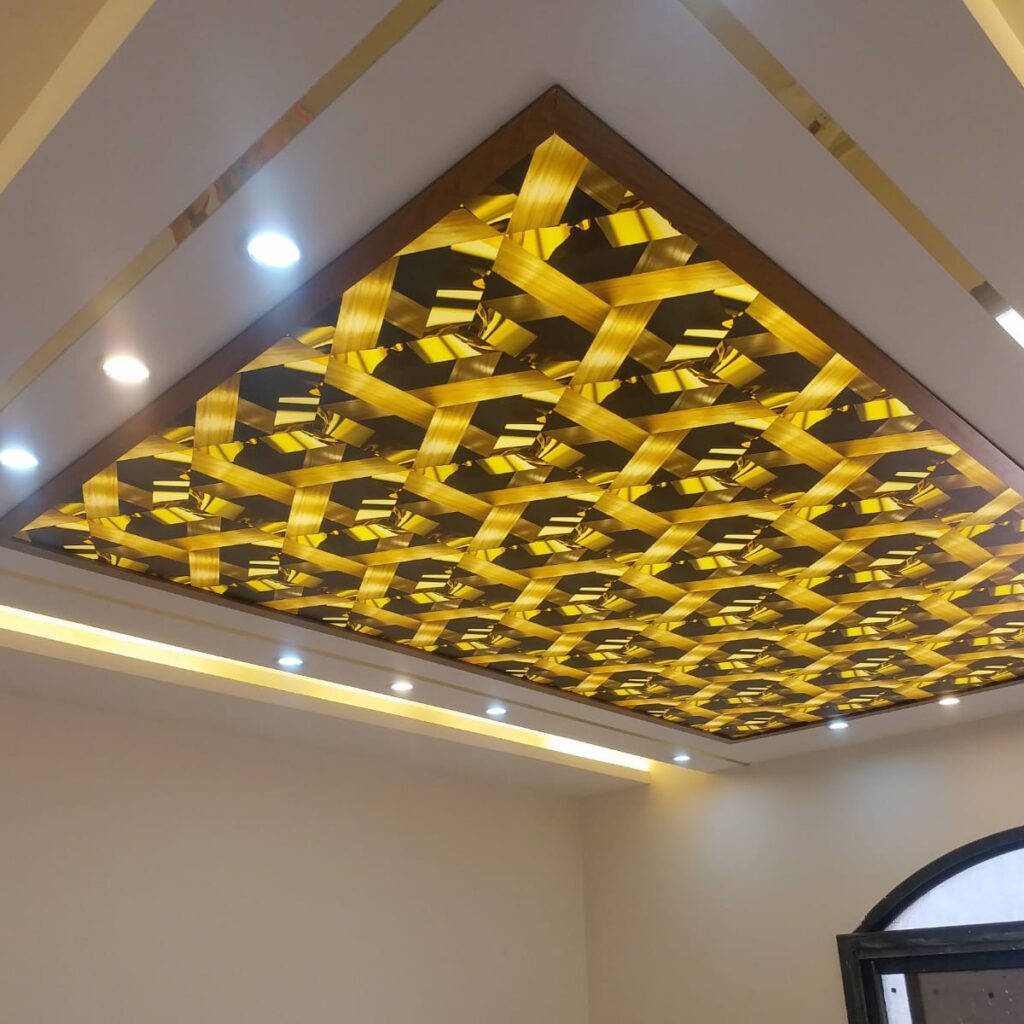
- Huge choice of colors, textures (matt, satin, gloss, metallic), and printed designs
- Options for acoustic, backlit, and mirror stretch ceilings
- Quick, clean installation with minimal disruption
- Excellent performance in humid or leak-prone areas
Whether you are renovating a home, styling a boutique, or planning a commercial project, a stretch ceiling can give you a modern, high-end look with long-lasting performance.
If you want expert guidance or a quote for your project, you can get in touch with our team and discuss your space, style, and budget.
FAQs About Stretch Ceilings
Is PVC in a stretch ceiling toxic?
No. High-quality PVC stretch ceiling films are designed for indoor use and tested for low VOC emissions, chemical safety, and durability. The same material family is used in medical devices, food packaging, and water pipes.
Are stretch ceilings easily damaged?
No. A stretch ceiling is flexible and impact-resistant. It tolerates everyday bumps, soft impacts, moisture, and even temporary water accumulation from leaks. Small damages can usually be repaired, and larger sections can be replaced without redoing the whole ceiling.
Do stretch ceilings sag over time?
With quality materials and professional installation, a stretch ceiling remains taut for many years. Sagging is usually caused by cheap films, poor tracks, or incorrect installation, not by the technology itself.
Will the color of my stretch ceiling fade?
Modern stretch ceilings contain UV stabilizers that protect colors from sunlight. They maintain their appearance much longer than standard paint or wallpaper, even in bright, sunlit rooms.
Are stretch ceilings difficult to maintain?
No. They are very easy to clean. Regular dusting and occasional wiping with a mild soap solution is enough. You do not need repainting, polishing, or special treatments to keep a stretch ceiling looking new.